DOE expounds on measures for preservation of biodiversity
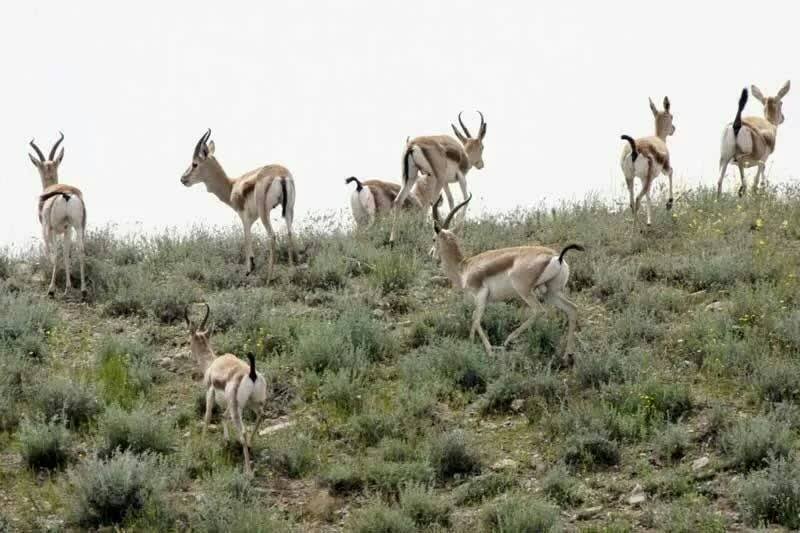
TEHRAN – The Department of Environment (DOE) has elaborated on achievements and measures taken by the administration to protect the biodiversity, ecosystem, and endangered species in the country.
The number of protected areas under the supervision of the DOE has increased from 327 to 330, accounting for 12 percent (19.8 million hectares) of the country’s land area, IRNA quoted Hamid-Reza Zohrabi, an official with the DOE, as saying.
According to International Union for Conservation of Nature (IUCN) Red List, a total of 213 species are endangered.
The country has so far prepared plans for the preservation of 25 endangered species such as Persian cheetah, zebra, Asiatic black bear, yellow deer, lesser white-fronted geese, white-headed duck, Persian salamander, blind cave fish, and luristanica Sorbus (a rare plant species that is native to Iran). The DOE is preparing thirteen more plans.
The population of prominent herbivorous mammals in the protected areas has increased from 227,000 to more than 240,000, and the number of managed invasive species has grown by 400 percent, covering five species, including crucian carp, nutria, raccoon, and rainbow trout.
Monitoring pests and diseases, and fire outbreak in Zagros habitats is another measure taken by the DOE which has led to the identification of Hyrcanian boxwood pest, the awkward silkworm moth in Gilan province, and the wood-eating pest of Aras in Khorasan Razavi province.
Given the importance of protecting biodiversity and genetic resources, the DOE is planning to prepare a plan to combat plant pests and pathogens as the main threat to the country’s unique ecosystem.
To protect caves, the DOE has developed caves classification guidelines, and plans for the conservation and sustainable use of the caves in the country. The number of caves with a conservation grade has increased from 7 to 41, indicating an increase of 490 percent.
There are also plans to raise individuals, local communities, and tourists’ awareness of the importance of preserving caves’ biodiversity, and water resources. The DOE is planning to utilize the capacity of collaborative conservation to protect sensitive and important cave ecosystems.
Constant monitoring of caves, particularly tourist caves, preparing caves’ database, identifying and prioritizing caves in terms of protection, assessing the capacity of tourist caves, protecting the biological and physical diversity of caves, and protecting water resources are among the plans to be conducted collectively.
The DOE has also established a working group to monitor wildlife cybercrimes and combat illegal wildlife trade. Wildlife trafficking is the third most profitable crime, following drug and weapon trafficking.
Studies indicate that 25 percent of species advertised for sale are listed as prohibited in international trade by the Convention on International Trade in Endangered Species of Wild Fauna and Flora (CITES).
From lion cubs to pythons, salamanders, Persian squirrels, rhesus monkeys, birds such as falcons, bustards, saker falcons, different types of hawks, invertebrates, reptiles such as native and non-native turtles, snakes, and iguanas are among the most common wild species that are illegally bought, sold, and kept.
The DOE has launched a smart monitoring center to provide real-time data on various environmental parameters, thereby improving management efficiency and reducing disaster risks.
The rate of environmental damage, the population growth, the surge in natural hazards such as climate change, drought, sand and dust storms, and floods have made the use of smart and innovative technologies a necessity to save the planet.
To preserve the protected areas, the DOE has developed smart, specialized protection plans. Given the frequent wildfires in the country’s forests, the plans include holding specialized training courses on extinguishing wildfires in cooperation with local communities.
To make environmental protection smarter, the DOE has signed a memorandum of understanding with a knowledge-based company. Accordingly, the DOE will be equipped with a system that provides early warnings before a fire outbreak, the official added.
The country’s comprehensive biodiversity protection plan, based on the post-Kunming-Montreal global framework, has developed in the form of 13 operational strategies and 97 actions, submitted to the Supreme Council for Environmental Protection.
MT/MG
Leave a Comment